
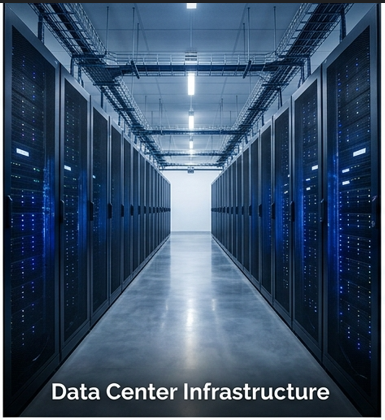
Data center infrastructure brings compute, storage, networking, power, cooling, and physical security together in one operating environment. A dependable design considers how these parts interact, how they will be monitored, and how the facility can be maintained without unnecessary interruption.
Design for capacity and serviceability
Begin with rack space, equipment dimensions, power draw, circuit capacity, airflow direction, cooling limits, and cable paths. Reserve room for growth and keep hot and cold air paths as clear as possible. Use rack power distribution units that match the required outlets, voltage, current, and monitoring needs. Label both ends of power and data connections and keep an accurate rack elevation and port map.
Server and storage layouts should reflect application needs, recovery objectives, and expected growth. Network paths should provide enough bandwidth for server traffic, storage access, backup, and management. Where availability requirements justify it, separate redundant paths and verify that a maintenance event on one path does not disconnect a critical service.
Operate with visibility
Monitoring temperature, power usage, device health, link status, and capacity helps teams spot developing problems before they become outages. Keep firmware and configuration records current, test backup and recovery procedures, and review access to management interfaces. Document maintenance windows, escalation contacts, spare parts, and the steps required to restore service.
There is no single data center design that fits every organization. A practical assessment of current equipment, workloads, facility constraints, and business priorities can guide a phased upgrade while preserving useful infrastructure.





Comments