
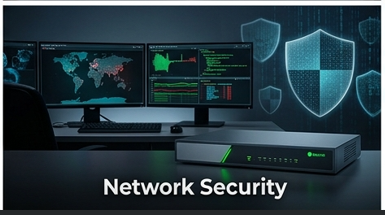
Network security combines sound architecture, consistent configuration, monitoring, and staff practices to reduce the chance and impact of unauthorized access. Firewalls are one important control, but they work best as part of a layered plan that includes identity, endpoint protection, network segmentation, backups, and incident response.
Understand traffic and trust
Document internet connections, remote access, business applications, management interfaces, wireless networks, and traffic between internal segments. Create firewall rules around specific business needs, use the narrowest practical access, and remove rules that no longer have an owner or purpose. Separate guest access and administrative systems from routine user traffic. Apply multi-factor authentication and unique accounts for management tools.
Keep network device firmware supported and configuration backups protected. Limit management access to trusted networks, monitor authentication and policy changes, and review alerts for unusual patterns. For wireless networks, use current security settings and separate guest access where appropriate. For remote workers and branches, choose secure connections and review how devices are authenticated.
Prepare to respond
Security incidents can still occur despite careful controls. Maintain offline or otherwise protected backups, record who should be contacted, and define how systems can be isolated without causing unnecessary business disruption. Practice restoring a service and reviewing logs so teams know what evidence is available. Periodically test recovery and access procedures with the people responsible for operating them.
Security requirements vary with the organization and the data it handles. A practical review of assets, threats, access paths, and recovery needs helps prioritize improvements without relying on a single product to solve every risk.





Comments